Path 01 / 04 · Perimenopause

Naturopath for perimenopause
Ottawa and virtual across Ontario

Something changed, and no one can say what.

Cycle changes, broken sleep, brain fog, a mood you don’t recognise — and bloodwork that looks normal. That combination has a name more often than it gets one.

Direct billing for most extended health plans. In person at 107B-858 Bank Street, or by secure video anywhere in Ontario.

Dr. Marianne Trevorrow, ND MSCP

Perimenopause is the years of hormonal change before your final period, and it typically lasts four to eight years, although symptoms may persist for a decade or more. Because sex hormone levels fluctuate, hormone testing is more likely to mislead than guide treatment. Dr. Marianne Trevorrow, ND, MSCP assesses the pattern over time and treats the symptoms driving it.

In short
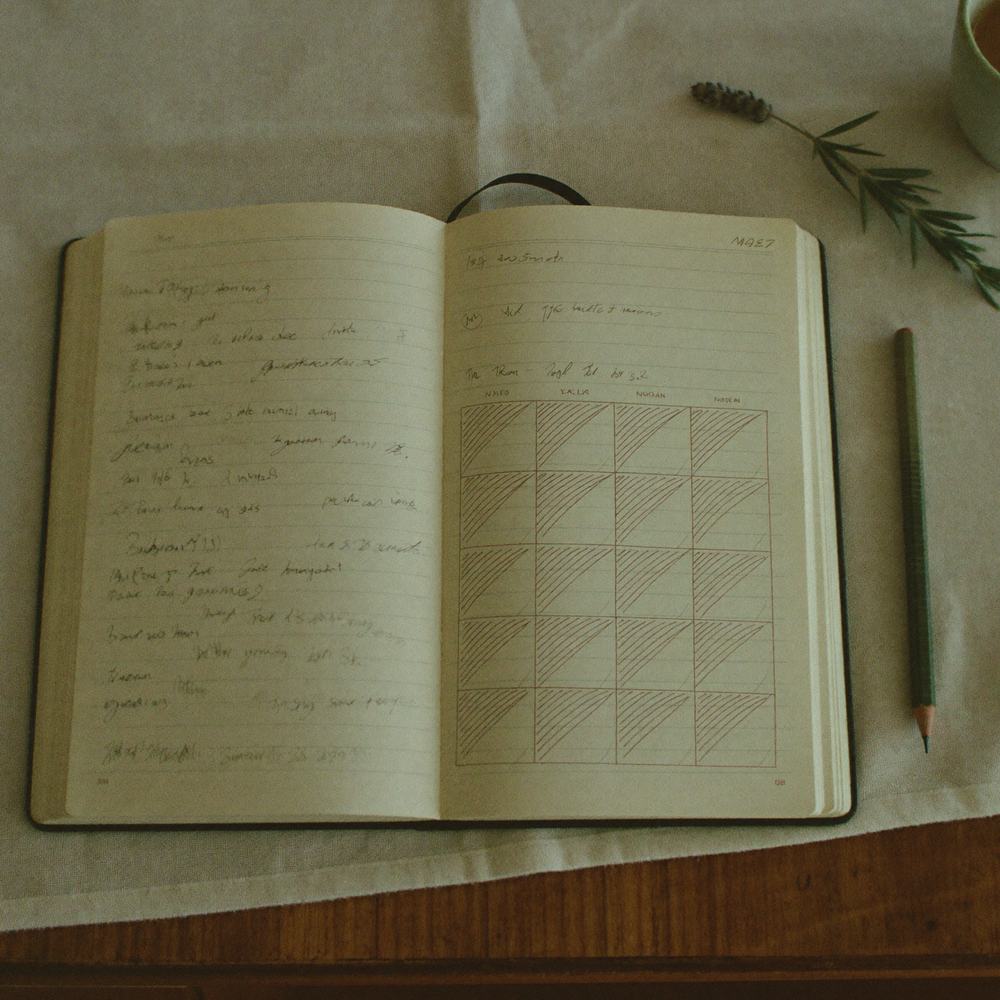
An open notebook with handwritten notes and a hand-drawn monthly calendar

Why Does Bloodwork Come Back Normal in Perimenopause?

Because in perimenopause there is no stable level to measure. Estrogen and progesterone swing from week to week and cycle to cycle, so a panel drawn on a Tuesday describes that Tuesday. Drawn a fortnight later it can read completely differently, and neither result rules anything in or out. That is why routine sex-hormone testing is not considered best practice at this stage — not because your symptoms are imaginary, but because the test cannot answer the question being asked of it.

What is worth running is the bloodwork that changes the plan. Iron, thyroid and B12 produce fatigue, low mood, brain fog and hair changes that look exactly like perimenopause and are treated completely differently. Dr. Trevorrow orders laboratory testing where a result will change what she does — not a wide private panel that mostly generates more questions.

The diagnosis is made from the pattern over time: what your cycle is doing, what changed and when, and what else is going on in your life and health. That is a history, not a blood draw.

How Do I Know Which Stage I’m In?

Clinicians stage the transition by what the cycle is doing, using the STRAW+10 framework. It is a useful shorthand for where you are — and for what is likely next.

StageWhat the cycle is doingWhat that usually means
Early perimenopauseCycle length varies by more than seven days from what is normal for youThe hormonal shift has begun; symptoms most often start here
Late perimenopauseSkipped cycles — a gap of sixty days or moreThe final period is usually within a couple of years
MenopauseTwelve consecutive months with no periodDiagnosed looking backwards — you only know once the year has passed

Staging per STRAW+10, as summarised by The Menopause Society. Stages describe a typical course, not a schedule — individual experience varies considerably.

Perimenopause is everything before menopause — and it can run for years, while a one-off hormone panel still reads as normal.

Which Symptoms Actually Belong to Perimenopause?

Hot flashes and night sweats — together, vasomotor symptoms — are the symptoms everybody knows. They are not the ones that most often bring people in. Sleep that breaks at three in the morning, a mood you do not recognise, brain fog, fatigue, weight gain, changes in libido, and joint and muscle pain are also common and far less often traced back to the same cause.

The joint pain is worth naming on its own, because it is so regularly attributed to something else: patients arrive describing unremitting aching that their existing arthritis does not account for.

What you noticeWhat it often gets blamed onWorth putting on the table
Waking at 3am, unrefreshedStress, poor sleep hygieneVasomotor symptoms (hot flashes, night sweats), iron, thyroid
Brain fog, losing wordsAge, workloadSleep disruption, B12, thyroid — and undiagnosed ADHD or autism
Joint and muscle painExisting arthritis, exerciseThe hormonal shift itself, which is frequently overlooked here
Heavier or unpredictable periods“Just perimenopause”Iron, fibroids, and other causes that deserve ruling out
Low mood, irritability, anxietyLife circumstancesThe hormonal shift, sleep debt, thyroid

What Does a Naturopathic Doctor Actually Do About It?

The first appointment builds the whole picture rather than treating the loudest symptom. What follows from it depends on what is driving things — and none of this is inevitable. The evidence increasingly shows that lifestyle and preventative care change the course of it substantially, and for the long term.

  • A full history — the pattern over years, not one snapshot.
  • The bloodwork you already have, plus iron, thyroid, B12 or other testing where it will change the plan.
  • Lifestyle medicine — diet, sleep, movement, relationships, stress.
  • Prescription or non-prescription therapies where they fit, with the reasoning explained.
  • A letter to your family doctor, if you want one.
Hands writing notes in a notebook during a conversation across a desk

Can I See You While I Wait for a Menopause Clinic?

Yes. For some people, an OHIP-covered menopause clinic is the right fit, and waiting for that referral makes sense. Wait times can be long, though, and there’s no need to put your symptoms on hold in the meantime. Care here can start now, in coordination with your family doctor, and carry on alongside the clinic once you’re seen there.

Care here runs alongside your family doctor, and if something falls outside naturopathic scope, you’ll be referred to someone more appropriate. Appointments are available in person in the Glebe or by secure video anywhere in the province.

Direct billing for most extended health plans. The first fifteen minutes are free and carry no obligation.

What Do People Ask Before a First Perimenopause Appointment?

A bedside table at first light with a glass of water, a lamp, a book and a notebook

Reviewed by Dr. Marianne Trevorrow, ND, MSCP — Naturopathic Doctor and Menopause Society Certified Practitioner, registered with the College of Naturopaths of Ontario and in practice since 2006. This page is general information about perimenopause care and does not replace individual medical advice.